

Average Cost of Aluminium Sliding Doors
- findnfound
- Apr 20
- 6 min read
If you are planning a renovation, the average cost of aluminium sliding doors is probably one of the first numbers you want to pin down. Fair enough - sliding doors can change how a home looks and works, but prices vary more than many homeowners expect. In Singapore, the final figure depends on size, panel configuration, frame profile, glass choice, site conditions and installation details, not just the door itself.
For most residential projects, aluminium sliding doors in Singapore commonly start from a few hundred dollars for simpler internal applications and can rise into the low thousands for larger, made-to-measure systems. That is a broad range, but it reflects reality. A compact kitchen entrance is priced very differently from a full-height balcony divider or a slim-profile feature door designed to make a living area feel brighter and more open.
What is the average cost of aluminium sliding doors?
As a practical guide, many homeowners will see entry-level aluminium sliding doors starting at around SGD 500++ to SGD 800++ for smaller, straightforward applications. Mid-range customised options often fall between SGD 900 and SGD 2000. Larger feature doors, premium slim-frame designs or systems with upgraded glass can move beyond SGD 1,500 and in some cases exceed SGD 3,500, especially when dimensions are generous or the installation is more demanding.
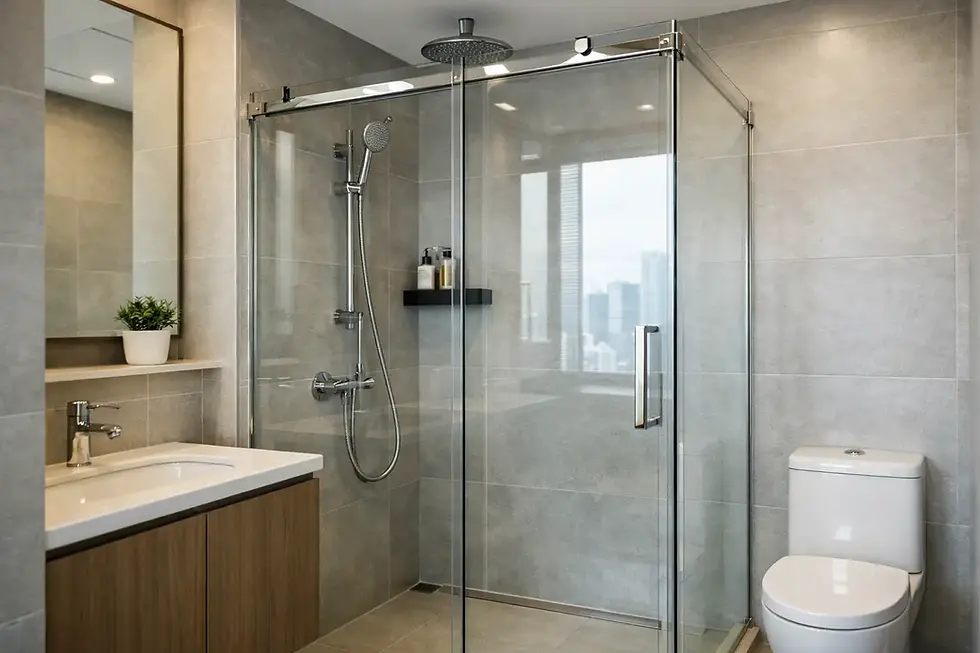
That range sounds wide because aluminium sliding doors are not a one-size-fits-all purchase. They are usually fabricated to suit your opening, your layout and the look you want to achieve. A wardrobe sliding door, a kitchen partition and a bathroom shower screen may all use aluminium framing, but they solve different problems and sit in very different price brackets.
For homeowners comparing quotations, the better question is not simply, "What is the cheapest sliding door?" It is, "What am I paying for, and will it suit the space for years?" A lower upfront cost can make sense for a simple service yard opening. For a main visual zone in the home, the frame finish, glide quality and overall proportion often matter far more.
Why prices vary more than people think
The biggest price driver is size. Wider openings need more material, larger glass panels and stronger hardware. If you are enclosing a kitchen, study room or balcony access point, even an extra foot or two in width can shift the quotation noticeably.
Frame profile is another major factor. Standard aluminium frames are more budget-friendly, while slim-profile systems sit at the premium end. The appeal of slim frames is obvious - they look cleaner, allow more light through and create a more refined finish. But they also require tighter engineering and usually cost more.
Then there is the glass. Clear glass is typically the most economical option. Frosted, fluted, tinted or tempered safety glass will affect the total. If privacy is a concern in bathrooms, kitchens or shared spaces, many homeowners choose a glass upgrade that balances style with function. That upgrade may not seem dramatic on paper, but across a full set of panels it adds up.
Installation conditions also matter. A standard opening with good access is simpler to fit. Irregular walls, hacking, old frame removal, levelling work or upper-floor constraints can all increase labour time. In renovation work, the site often decides the final cost as much as the product specification does.
Typical price scenarios in Singapore homes
In HDB flats, aluminium sliding doors are often chosen for kitchens, bathrooms, service yards and bedrooms where swing clearance is limited. A practical two-panel kitchen sliding door in a standard size is usually one of the more affordable options. Costs rise if the opening is oversized, the frame is slim, or the homeowner wants a more design-led finish.
For condominiums, the demand is often more aesthetic. Homeowners may be looking for black-framed panels, clean sightlines or a door system that complements a modern interior palette. Here, the average cost of aluminium sliding doors tends to sit in the mid to upper range because the emphasis is not just on enclosure, but on visual impact.
Landed homes and larger interiors usually involve wider spans and more customisation. That can mean more panels, heavier glass, better rollers and a more considered installation process. Commercial interiors follow a similar pattern. A stylish office partition or retail divider may use aluminium sliding doors to define zones without making the space feel closed off, but that finish-led approach usually comes with a higher price point.
Cost factors worth paying attention to
When reviewing quotations, look beyond the headline number. The cheapest quote is not always the best value, especially if important details are missing. Homeowners should check whether the price includes measuring, fabrication, delivery, installation and finishing work around the frame.
Hardware quality is one detail that often gets overlooked. Rollers, tracks and handles affect how the door feels every day. A sliding door should move smoothly and close properly, not rattle or drag after a few months. Better hardware may cost more at the start, but it usually brings a better user experience and fewer maintenance headaches.
Powder-coated finishes can also influence price, especially if you want a specific colour or a more premium appearance. Black, white and neutral metallic tones remain popular because they suit most interiors, but the finish quality itself matters as much as the shade. In humid conditions, a well-finished aluminium system is a smart investment.
Customisation is another cost layer. Fixed panel combinations, soft-closing features, special locks and matching side panels all change the final figure. None of these are unnecessary extras if they solve a real layout or lifestyle need. The key is to choose specifications that genuinely improve the way you use the space.
How to decide what budget makes sense
A good budget starts with the role of the door. If it is mainly functional - for example, separating a kitchen or service yard - you may not need the slimmest profile or most decorative glass. A well-made standard system could be the smartest choice.
If the door is part of the visual centre of the home, the calculation changes. A living room divider, home office entrance or open-concept kitchen enclosure is seen every day and influences the feel of the space. In that case, spending more on proportion, finish and glass design often gives better value than chasing the lowest price.
It also helps to think long term. Aluminium is popular in Singapore for good reason. It is water-resistant, durable and suitable for humid conditions, which makes it practical for kitchens, bathrooms and other hard-working parts of the home. Paying for proper fabrication and installation usually matters more than shaving a small amount off the quote.
Getting an accurate quotation
If you want a realistic price, measurements and site details are essential. Rough online estimates can be useful for budgeting, but they do not replace a proper assessment. Even a minor difference in opening size or wall condition can change the material and labour required.
When speaking to a supplier, it helps to be clear about where the door will be installed, what level of privacy you want, and whether the look is more minimalist, industrial or understated. Photos of the site and inspiration images can also help narrow down the right specification. A better brief usually leads to a better quotation.
This is where an experienced supplier makes a visible difference. A company that handles consultation, made-to-measure fabrication and installation can spot issues early and recommend a system that fits both your space and your budget. That is often more useful than choosing from a generic catalogue without guidance. Ministry of Door, for example, focuses on this balance of style, practicality and tailored fit because every opening behaves differently.
Is a higher-priced aluminium sliding door worth it?
Sometimes yes, sometimes not. If your door is installed in a low-visibility area and used lightly, a simpler system may be perfectly sensible. But if the door is part of a busy family home, gets daily use or defines the mood of an interior, quality becomes easier to appreciate.
A well-designed aluminium sliding door does more than separate rooms. It saves space, improves movement, manages light and creates a cleaner visual line across the home. Those benefits are hard to measure in dollars alone, but they are often the reason homeowners feel the upgrade was worth it.
The right question is not whether aluminium sliding doors are cheap or expensive. It is whether the door you choose looks right, performs properly and fits your home without compromise. When price, design and installation are aligned, the result tends to feel less like a purchase and more like a real improvement to the way your space works.
If you are budgeting for a renovation, use the average as a starting point, not a promise. The best sliding door is rarely the cheapest one on the page. It is the one that fits beautifully, glides smoothly and keeps earning its place long after the renovation dust is gone.


Comments