

Minimalist Wardrobe Door Trends for 2026
A wardrobe can occupy an entire bedroom wall, so its doors have more influence on the room than most homeowners expect. The strongest minimalist wardrobe door trends are not about making storage disappear completely. They are about giving it a quieter, more considered presence: clean lines, well-proportioned panels, practical access and finishes that sit comfortably with the rest of the home.
For HDB flats and condominiums, where bedroom layouts often need every centimetre to work harder, this approach is especially useful. A well-chosen wardrobe door can make a compact room feel ordered rather than crowded, while still providing the durable daily performance a family needs.
Minimalism is becoming warmer and more liveable
The stark, all-white look has made way for softer minimalist interiors. Homeowners still want visual calm, but they are pairing it with warm wood tones, off-white walls, textured fabrics and gentle contrast. Wardrobe doors are following the same direction.
Matte finishes in soft grey, sand, taupe, warm white and muted earth tones are increasingly preferred over glossy surfaces. They do not reflect every light source or fingerprint, which gives the bedroom a more relaxed appearance and reduces the need for constant wiping. Darker shades such as charcoal or black remain popular too, particularly when used as slim framing rather than as a large, solid expanse.
The goal is restraint, not emptiness. A minimalist wardrobe should make the room feel more spacious, but it should still have enough character to support the chosen interior style. In a Scandinavian-inspired bedroom, this may mean pale oak-look panels with light framing. In a modern condominium, smoked glass and dark aluminium can create a sharper, hotel-inspired finish.
Slim aluminium frames define current wardrobe door trends
Slim-profile aluminium is one of the most practical design features in modern wardrobe systems. It creates a crisp outline around glass, mirror or panel inserts without the visual weight of bulky traditional framing. The result feels refined and architectural, especially across a full-height wardrobe.
Aluminium also suits Singapore homes for reasons beyond appearance. It is lightweight, resistant to moisture and less vulnerable to warping than many timber-based alternatives in humid conditions. For wardrobes near bathrooms, windows or air-conditioned rooms with changing temperatures, this is a worthwhile consideration.
Frame colour matters as much as frame thickness. Black remains a confident choice for contemporary interiors, but champagne, bronze, graphite and softer grey finishes offer a more understated alternative. A bronze-toned frame can introduce warmth without competing with timber flooring, while a light grey profile may blend smoothly into a neutral room.
The trade-off with ultra-slim profiles
The finest profile is not automatically the best choice for every wardrobe. Very large or tall door panels need appropriate structural support, quality rollers and precise installation to remain stable over time. The best outcome comes from balancing a slim visual profile with a system engineered for the panel size, material and frequency of use.
This is where made-to-measure planning matters. A wardrobe that looks elegant in a showroom may require different panel divisions in a compact HDB bedroom or beneath a ceiling beam. Correct measurements and professional installation protect both the look and the operation of the doors.
Sliding doors remain the space-saving favourite
Sliding wardrobe doors continue to lead because they do not swing into valuable floor space. This is a clear advantage beside a bed, study desk or narrow walkway. When closed, they create a clean wall-like surface that suits minimalist interiors naturally.
Current designs favour broad, uncluttered panels rather than many narrow sections. Two or three well-proportioned sliding panels often look calmer than a heavily segmented arrangement. Full-height doors also draw the eye upwards, making lower ceilings feel more generous.
However, sliding doors only reveal part of the wardrobe at one time. If you prefer to see the entire contents of your wardrobe while dressing, folding or swing doors may be a better fit where space permits. The right system depends on how the room is used, not simply on what is trending.
For households choosing sliding doors, pay attention to the track and roller quality. A minimalist design loses its appeal if the door rattles, catches or requires force to move. Smooth, quiet movement is part of the experience, particularly in bedrooms used early in the morning or late at night.
Glass and mirror inserts are being used with more intention
Mirrored wardrobe doors remain an effective solution for smaller bedrooms. They reflect daylight and make a narrow room feel wider, while removing the need for a separate full-length mirror. The newer approach is more selective: instead of covering every panel in bright mirror, homeowners may use one mirror panel alongside opaque doors, or choose tinted and smoked finishes for a gentler reflection.
Fluted glass is another design direction with real merit. Its vertical texture introduces privacy and visual interest while allowing light to move through the space. It can soften the appearance of a large wardrobe, particularly when paired with a slim dark or champagne aluminium frame.
There are practical choices to make here. Clear glass puts the wardrobe interior on display, so it demands consistent organisation. Smoked, frosted or fluted glass is more forgiving, although it will not make the room feel quite as open as a mirror. Families with young children may also favour safety glass and finishes that are easier to maintain.
Handleless details keep the façade calm
Minimalist wardrobe doors increasingly rely on integrated pulls, recessed channels or discreet edge profiles instead of prominent handles. Removing visual clutter gives the wardrobe a built-in look, especially when its finish is close to the wall colour.
That said, handleless should not mean inconvenient. Recessed grips need to be comfortable to use, and door edges should allow enough purchase for everyday opening. A wardrobe is touched several times a day, so good ergonomics will always matter more than a purely decorative detail.
For a more expressive yet still clean-lined option, a slim vertical handle in matching aluminium can work well. It creates a deliberate rhythm across the doors and may be more practical for older residents, children or anyone who prefers a firmer grip.
Full-height, made-to-measure wardrobes look more intentional
A wardrobe that stops far below the ceiling often leaves an awkward dust-collecting gap. Full-height wardrobe doors are increasingly requested because they produce a neater elevation and provide useful upper storage for luggage, bedding or seasonal items.
The design must account for ventilation, access and site conditions. Ceiling heights can vary, especially in older flats, and existing beams, sprinkler heads or coves may affect the available opening. Rather than forcing a standard-sized unit into the room, custom fabrication allows panel widths, heights and internal layouts to respond to the actual space.
This tailored approach also helps a wardrobe align with other interior elements. A bedroom can feel far more cohesive when wardrobe frame colours relate to the study partition, bedroom door hardware or aluminium kitchen cabinet details elsewhere in the home.
Choosing a minimalist wardrobe door that lasts
A beautiful façade should be supported by practical decisions. Before selecting colours and inserts, consider the bedroom width, bed placement, daylight, household habits and the amount of storage required. These details determine whether sliding, folding or swing doors will make daily life easier.
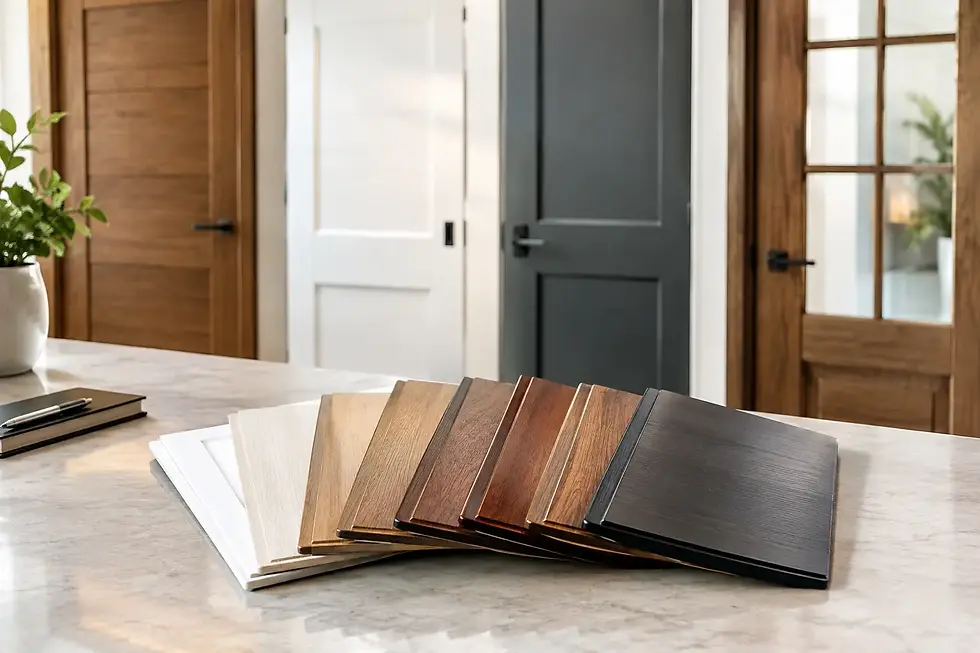
It is also wise to view full-size material samples where possible. A finish can look quite different under warm bedroom lighting than it does in a brightly lit showroom. Check how a textured glass panel looks during the day, how easily a matte surface marks, and whether a dark frame feels suitably balanced against the room's walls and flooring.
At Ministry of Door, a made-to-measure aluminium wardrobe system can be planned around these decisions rather than treated as an afterthought. The right fit, finish and installation are what turn a simple storage wall into a lasting part of the room.
Choose the design that brings calm to your bedroom without making it harder to live in. When every panel opens smoothly, suits the room's proportions and holds up to daily use, minimalism feels less like a trend and more like good home design.


Comments